Author: Emily Fies - Page 3

post-image
Dec, 29 2025

Human-in-the-Loop Operations for Generative AI: Review, Approval, and Exceptions

Human-in-the-loop operations for generative AI ensure AI outputs are reviewed, approved, and corrected by humans before deployment - critical for compliance, safety, and trust in regulated industries.
post-image
Dec, 28 2025

Energy Efficiency in Generative AI Training: Sparsity, Pruning, and Low-Rank Methods

Learn how sparsity, pruning, and low-rank methods cut generative AI training energy by 30-80% without sacrificing accuracy. Real-world data, implementation tips, and future trends.
post-image
Dec, 25 2025

Democratization of Software Development Through Vibe Coding: Who Can Build Now

Vibe coding lets anyone build software by describing ideas in plain language. No coding experience needed. From students to small business owners, more people than ever can now create apps-with AI doing the heavy lifting.
post-image
Dec, 24 2025

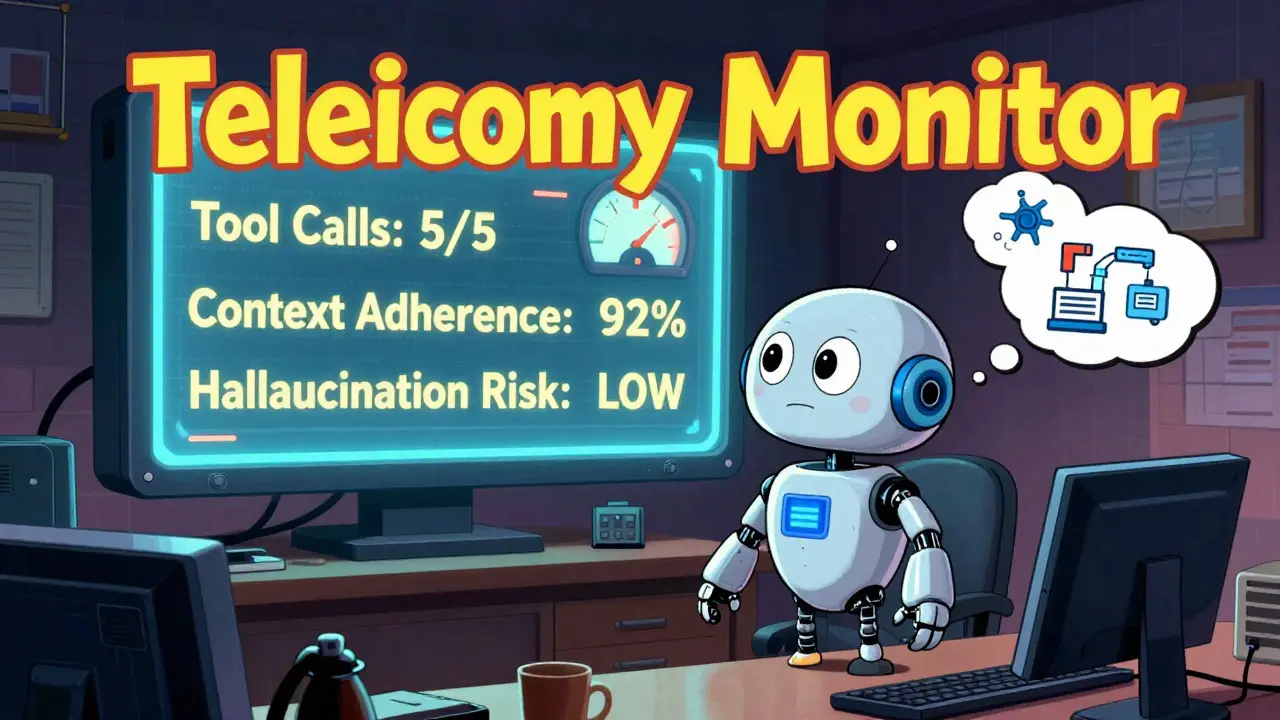
Testing and Monitoring RAG Pipelines: Synthetic Queries and Real Traffic

Testing RAG pipelines requires both synthetic queries for controlled evaluation and real traffic monitoring to catch real-world failures. Learn how to balance cost, accuracy, and speed to build reliable AI systems.
post-image
Nov, 19 2025

Supply Chain Optimization with Generative AI: Demand Forecast Narratives and Exceptions

Generative AI is transforming supply chain demand forecasting by turning numbers into explainable narratives and helping teams handle exceptions before they become crises. Learn how it works, who’s using it, and what you need to get started.
post-image
Oct, 16 2025

Why Large Language Models Excel at Many Tasks: Transfer, Generalization, and Emergent Abilities

Large language models excel because they learn from massive text data, then adapt to new tasks with minimal examples. Transfer learning, generalization, and emergent abilities make them powerful without needing custom training for every job.
post-image
Oct, 5 2025

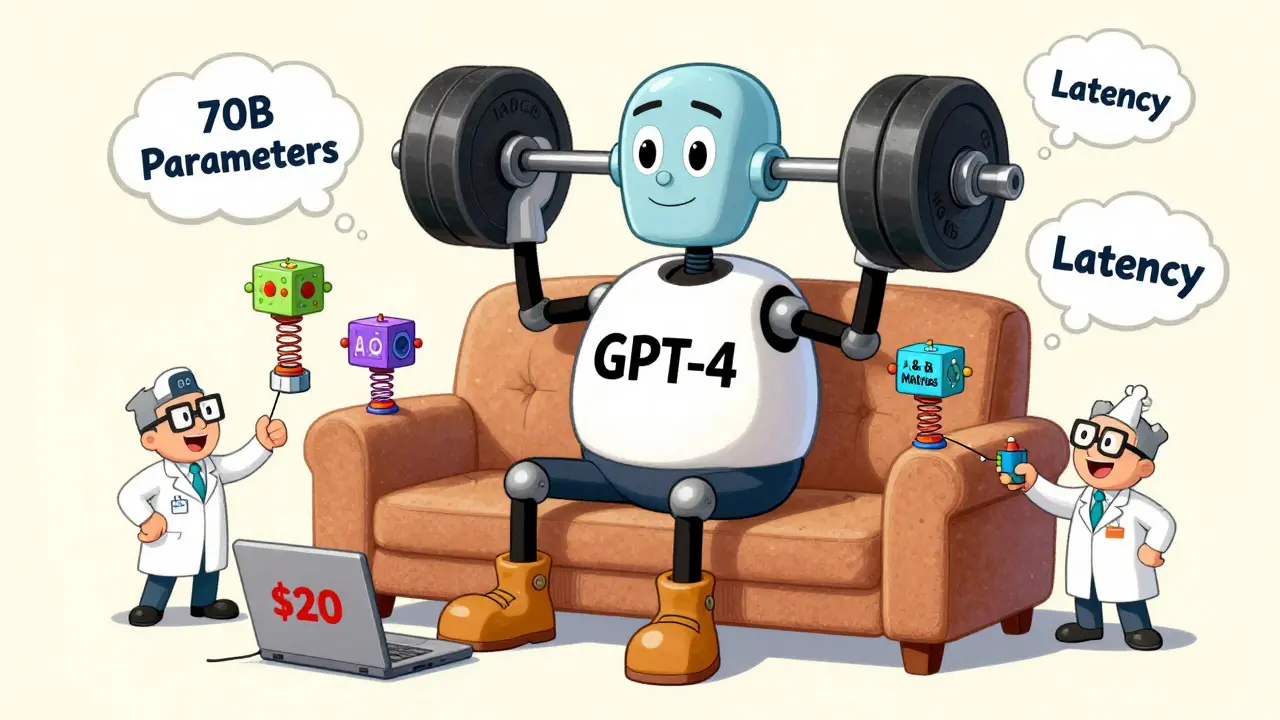
Cost-Performance Tuning for Open-Source LLM Inference: How to Slash Costs Without Losing Quality

Learn how to cut LLM inference costs by 70-90% using open-source tools like vLLM, quantization, and Multi-LoRA-without sacrificing performance. Real-world strategies for startups and enterprises.
post-image
Sep, 22 2025

Why Transformers Replaced RNNs in Modern Language Models

Transformers replaced RNNs because they process language faster and understand long-range connections better. With self-attention, they handle entire sentences at once-making modern AI possible.
post-image
Sep, 15 2025

How Large Language Models Handle What They Don't Know: Communicating Uncertainty

Large language models often answer confidently even when they're wrong. Learn how knowledge boundaries and uncertainty communication help them admit when they don't know, reducing hallucinations and building trust in real-world applications.
post-image
Sep, 14 2025

Disaster Recovery for Large Language Model Infrastructure: Backups and Failover

Disaster recovery for large language models requires specialized backups and failover systems to protect massive model weights, training data, and inference APIs. Learn how to build a resilient AI infrastructure that survives outages.
post-image
Aug, 24 2025

Cursor, Replit, Lovable, and Copilot: Best AI Coding Tools for 2025

Compare Cursor, Replit, Lovable, and GitHub Copilot in 2025 to find the best AI coding tool for your skill level and project. Learn which one saves time, improves code quality, and fits your workflow.
post-image
Aug, 4 2025

How RAG Reduces Hallucinations in Large Language Models: Real-World Impact and Measurements

RAG reduces hallucinations in large language models by grounding answers in trusted sources. Real-world tests show up to 100% reduction in errors for healthcare and legal applications - but only if the data is clean and well-structured.