Key Takeaways
- Proposal Drafting: AI cuts documentation time by 60-75%, turning hours of work into minutes.
- CRM Management: Automated note-taking captures up to 95% of call details, slashing update time by 75%.
- Personalization: Hyper-tailored content can boost conversion rates by 20-30%.
- Bottom Line: Expect a 3-5% increase in global sales productivity when implemented correctly.
Turning Blank Pages into Winning Proposals
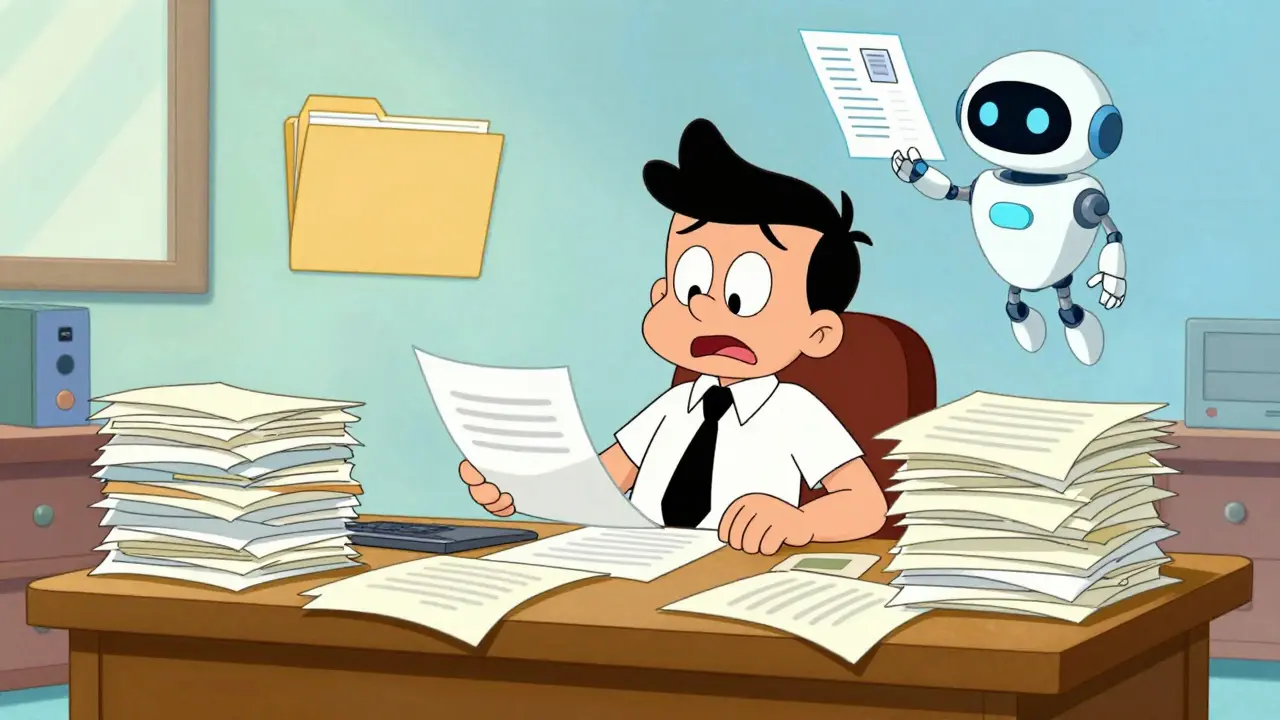
Drafting a proposal is usually the most tedious part of the sales cycle. You're hunting for the right case study, copying and pasting pricing tables, and trying to remember exactly what the client mentioned in a meeting three weeks ago. Generative AI is a type of artificial intelligence capable of creating new content, such as text and images, based on patterns learned from massive datasets. In the context of sales enablement, this means AI doesn't just give you a template; it writes the first draft for you.
Tools like Highspot is a sales enablement platform that helps teams manage content and use AI to create personalized buyer experiences ] provide features like AutoDocs that generate bespoke decks based on past interactions. Instead of spending two to four hours manually building a presentation, reps can now produce a customized document in two to five minutes. This isn't just a time-saver; it ensures the proposal is actually relevant to the buyer's specific pain points, which directly impacts the win rate.
Ending the CRM Data Struggle
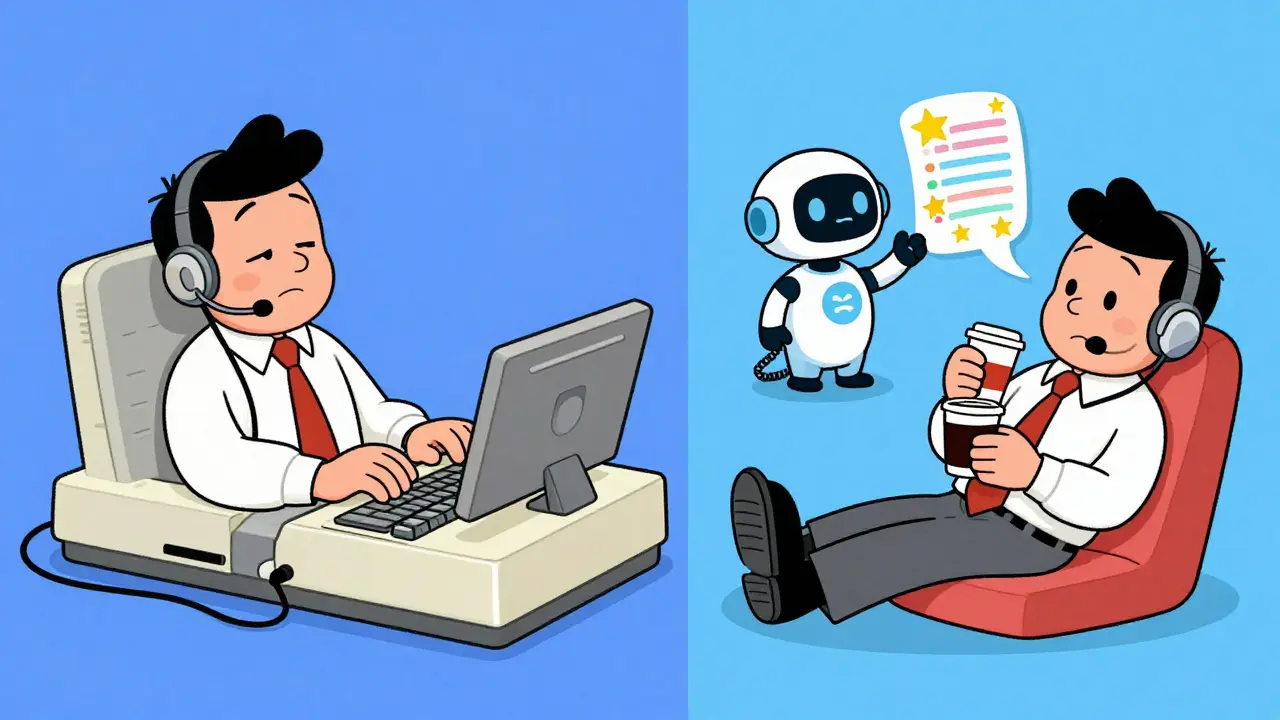
Every sales manager has a love-hate relationship with their CRM. They love the data, but they hate that reps rarely enter it. Most humans only capture 60-70% of a conversation's details in their notes-usually missing the small, critical cues that seal a deal. CRM (Customer Relationship Management) systems like Salesforce, HubSpot, and Microsoft Dynamics 365 are the backbones of sales, but they often become data graveyards because manual entry is a chore.
AI-powered note-taking changes this by capturing up to 95% of conversation details. By integrating with communication platforms like Zoom or Microsoft Teams, these tools process unstructured audio and turn it into a clean, actionable summary. Gartner reports that this reduces CRM update time by 75%, moving the average from 30+ minutes per call down to about 8 minutes. When the data is accurate and current, the rest of the organization-from marketing to customer success-knows exactly where the deal stands without having to ask the rep for a status update.
| Feature | Traditional Enablement (e.g., Showpad) | Generative AI (e.g., Seismic, Aviso) |
|---|---|---|
| Content Creation | Manual templates / Static libraries | Dynamic, real-time generation |
| Relevance Accuracy | 60-70% (Rule-based) | 90%+ (AI-driven) |
| Proposal Turnaround | 2-4 Hours | 2-5 Minutes |
| CRM Updates | Manual entry (Low adoption) | Automated summaries (High accuracy) |
The Art of Hyper-Personalization at Scale
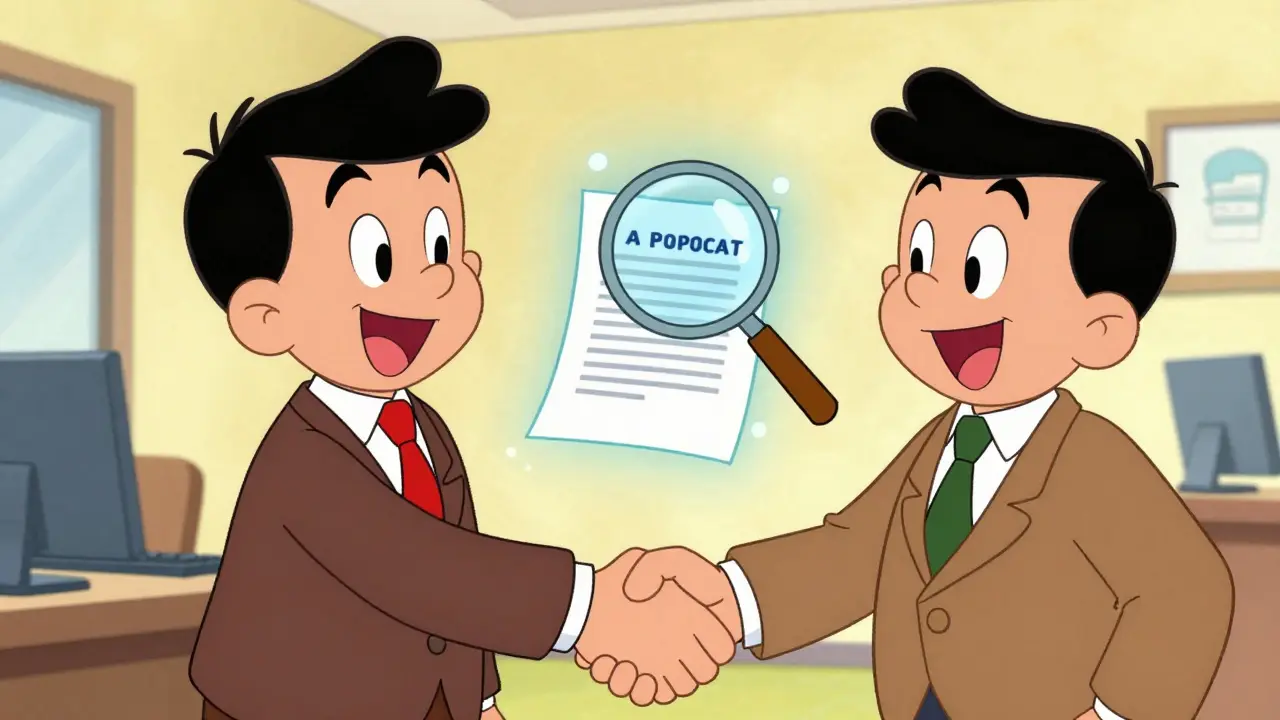
Generic outreach is dead. Buyers can spot a "templated" email from a mile away, and they usually delete it. The challenge has always been that true personalization doesn't scale; you can't spend an hour researching every single lead. This is where Hyper-personalization is the use of AI and real-time data to create highly individualised content that reflects a buyer's specific persona, deal stage, and engagement history ] comes in.
By analyzing the buyer's profile and their previous interactions with your brand, AI can tailor the messaging of an email or a presentation to match exactly where they are in the journey. For example, if a prospect has spent ten minutes on your pricing page but hasn't booked a demo, the AI can draft an email that specifically addresses the value-to-cost ratio based on their industry. This level of tailoring has been shown to increase conversion rates by 20-30% because it makes the prospect feel understood, rather than targeted.
Real-World Implementation: Pitfalls and Successes
It sounds like magic, but the implementation can be messy. If your data is a disaster, your AI will be too. One mid-sized SaaS company abandoned their AI rollout because only 40% of their CRM data was clean, leading to hallucinated recommendations that embarrassed the sales team. On the flip side, a Fortune 500 tech company saw 30% faster sales cycles and a 22% jump in win rates because they prioritized data hygiene first.
If you are planning to deploy these tools, expect an 8-12 week rollout. You can't just flip a switch. You'll need a few things in place to avoid a total flop:
- Clean Data: Aim for at least 70% clean CRM data before you start.
- Human-in-the-Loop: For the first three months, a human must review every AI-generated proposal. This prevents the "generic" feel and catches industry-specific jargon errors.
- Prompt Training: About 87% of successful companies train their reps on basic prompt engineering so they know how to guide the AI toward better outputs.
- Executive Buy-in: You need leaders who understand that the first few weeks might be a dip in productivity as the team learns the system.
The Future of the Sales Tech Stack
We are moving toward a world where the "deal desk" is largely automated. Aviso is an AI-driven revenue forecasting and sales acceleration platform that predicts deal risks ] has already introduced capabilities that predict deal risks with 85% accuracy. By 2026, it is expected that 80% of enterprise sales teams will have some form of GenAI embedded in their workflow.
The risk isn't that AI will replace the salesperson, but that it will make them lazy. If a rep relies entirely on AI to build a relationship, they lose the ability to read a room or handle a complex objection. The most successful teams will use AI to handle the paperwork, giving them more time to actually talk to people. The goal is to use technology to become more human, not less.
Does generative AI replace the need for a sales enablement manager?
No. In fact, it makes the role more critical. An enablement manager is needed to curate the "gold standard" content the AI learns from, manage the 8-12 week implementation process, and ensure the AI isn't producing generic or off-brand material.
How accurate is AI with industry-specific jargon?
Generally, AI is about 85-90% accurate with technical jargon, compared to 95%+ for general business language. This is why a "human-in-the-loop" review process is essential for the first few months of deployment.
What are the primary security concerns with using GenAI in sales?
The biggest concerns are data privacy and the risk of leaking proprietary company info into public models. To mitigate this, enterprise-grade tools use private instances or on-premise deployments that comply with GDPR and CCPA regulations.
How much does an enterprise AI sales enablement setup cost?
Enterprise deployments typically range from $100,000 to $500,000, which is higher than traditional enablement platforms ($50k-$200k) due to the complexity of AI integration and the need for initial model training.
Can AI really improve win rates?
Yes. By using hyper-personalization, companies have reported win rate increases of 15-25%. This happens because the content matches the buyer's specific persona and pain points much more accurately than static templates.
Next Steps for Your Team
If you're ready to move forward, don't start with the tool-start with the data. Audit your CRM for the next two weeks. If your notes are sparse and your contact fields are empty, spend a month cleaning that up first. Once your data is reliable, pick one use case-likely proposal drafting since it has the highest ROI-and run a pilot with your top five performers. Let them refine the prompts and a brand-approved template before rolling it out to the wider team.
Totally agree with the bit about removing administrative sludge. I've spent way too many weekends cleaning up CRM entries when I could've been actually talking to leads. Using AI for the first draft of a proposal is a game changer for getting the ball rolling faster.
love this stuff. honestly just use it and lern as u go... its ok to make a few mistakes at first as long as ur honest about it with the client lol
The pursuit of efficiency is often just a veil for the erosion of genuine human connection... We are trading the soul of the sale for a percentage increase in a spreadsheet!!! It is a tragedy of the modern era, really...
you think this is about efficiency but its actually about data collection. they want every single word of every call recorded and analyzed by an algorithm. once the ai knows how we sell it just replaces us entirely. its a trap and these companies are just feeding the machine
First of all, your lack of a comma in the third paragraph is offensive. Beyond that, the notion that these "private instances" are actually secure is laughable. If the data exists on a server, it can be accessed. The corporate world is blindly walking into a surveillance nightmare while obsessing over "win rates." It's absolutely pathetic how people trust these black-box models with proprietary secrets.
lets try to keep it positive everyone. i think we can find a middle ground where we use the tools but keep the human touch
This is exactly why the industry is failing. Instead of training actual skilled professionals, we are handing the keys to a bot. It's morally bankrupt to pretend that a generated email is "personalization." It's deception, plain and simple, and it's an insult to the intelligence of the customer.
Who cares about the bots as long as US companies stay on top!!! We gotta use every tool we got to beat the global competion and keep the money here. Get those win rates up and dominate the market!!
The sheer agony of the blank page is a void that no algorithm can ever truly fill! We are witnessing the death of the artisan salesman, the poet of the pitch, the warrior of the boardroom!
It is a cold, sterile future where the heartbeat of a deal is replaced by the humming of a server rack in a warehouse in Nevada! Oh, the tragedy of our lost intuition! We are becoming ghosts in our own machines, drifting through a landscape of automated courtesy while our actual spirits wither away from a lack of real struggle! I can almost feel the sterility of the future closing in on us like a velvet curtain falling on a play that no one remembers how to write! This isn't just a shift in a tech stack; it is the funeral of the human spark in commerce! My soul weeps for the days when a handshake meant more than a 95% accuracy rate in a CRM summary! We are trading our birthright for a few minutes of saved time on a slide deck, and the cost is nothing less than our very essence as sentient beings!