Remember when building a website meant memorizing HTML tags, wrestling with CSS margins, and spending three hours debugging a missing semicolon? That era is effectively over. A new wave of development, widely known as vibe coding, is a method of software creation where developers describe application needs in natural language, allowing AI to generate the underlying code structure and logic, is changing who gets to build software. It’s not just about speed; it’s about access. For the first time, people without years of computer science degrees can turn their ideas into functional applications by simply talking to their computers.
This shift isn’t a fad. It’s a fundamental restructuring of how we interact with technology. If you’ve ever had an app idea but stalled because you didn’t know Python or JavaScript, vibe coding is your bridge. Let’s look at how this works, why it matters, and how you can start building today.
The End of Syntax Friction
Traditional programming has always had a high barrier to entry: syntax. You have to learn the specific grammar of a language like Java or C++. One wrong character breaks everything. This cognitive load keeps many creative minds out of development. They have great ideas but get stuck on the mechanics before they even start.
Vibe coding removes this friction. Instead of typing `div class="container"`, you tell an AI assistant, "Create a centered container with a white background and rounded corners." The AI handles the syntax. You handle the vision. This allows non-technical team members-product managers, designers, marketers-to directly influence the codebase. They don’t need to translate their needs into technical jargon anymore. They speak plain English, and the machine translates it into code.
This change democratizes contribution. In a traditional startup, the founder might have to wait weeks for a developer to implement a small change. With vibe coding, that founder can tweak the layout themselves in minutes. It shifts the bottleneck from "can I write code?" to "can I clearly describe what I want?"
How Vibe Coding Actually Works
You might wonder if this is magic or just a fancy autocomplete. It’s neither. It’s a conversational workflow powered by large language models (LLMs) integrated into your development environment. Here is the typical process:
- Description: You describe the feature or page you want in natural language. For example, "Build a landing page with a hero section, a pricing table, and a footer."
- Generation: The AI tool generates the initial code structure. It writes the HTML, CSS, and potentially JavaScript needed.
- Iteration: You review the output. If something looks off, you chat with the AI. "Make the buttons blue," or "Add a hover effect to the cards."
- Refinement: The AI updates the code based on your feedback. You repeat this until the result matches your vision.
Popular platforms enabling this include Cursor, which is an AI-first code editor that integrates deeply with GitHub Copilot to allow natural language code generation and editing, GitHub Copilot, which provides real-time code suggestions and completions within Visual Studio Code and other editors, and Replit, a cloud-based IDE that allows users to code, collaborate, and deploy applications entirely in the browser with AI assistance.
The key here is iteration. You aren’t getting perfect code on the first try every time. But you are getting *functional* code quickly. This rapid cycle of prompt, generate, and refine is what makes vibe coding so powerful for new builders.
Speed: From Weeks to Hours
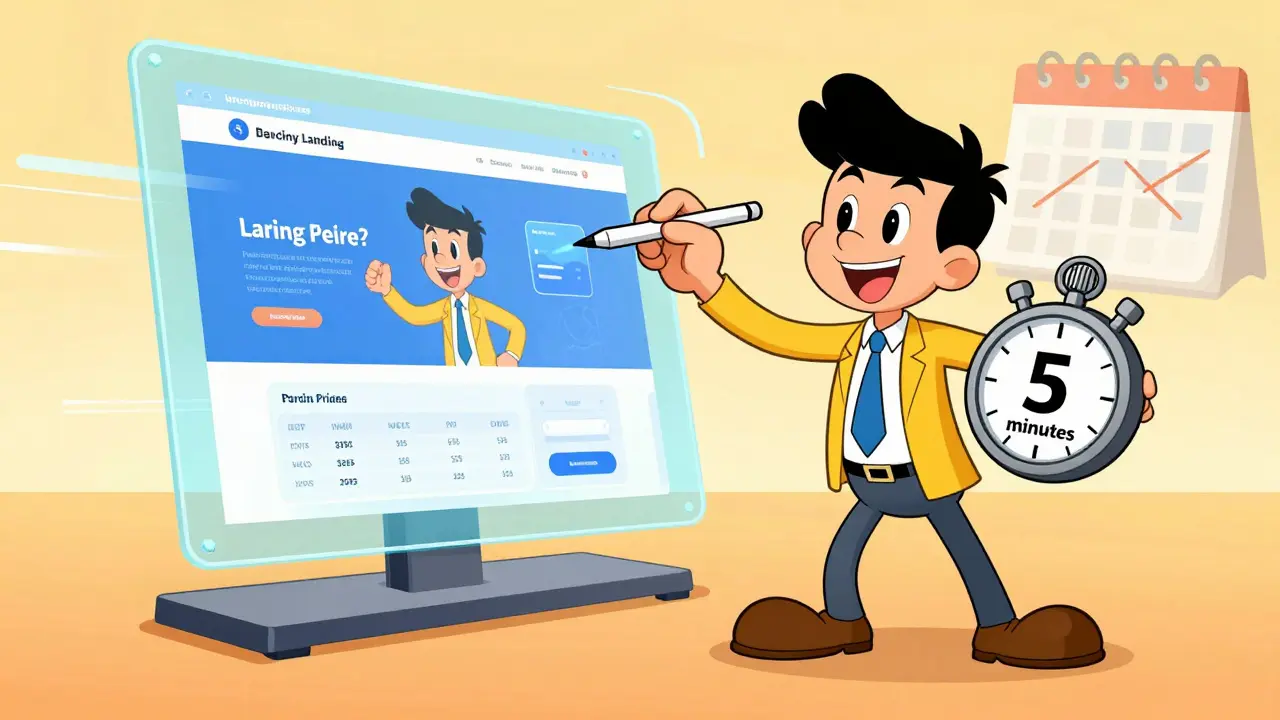
Time is the biggest enemy of new builders. Traditional development involves extensive typing, documentation reading, and debugging. Vibe coding compresses this timeline dramatically. Consider creating a simple landing page. Traditionally, this might take a beginner several days to learn the basics and then a few hours to build. With vibe coding, you can generate a complete, responsive landing page in seconds.
| Feature | Traditional Coding | Vibe Coding |
|---|---|---|
| Learning Curve | Steep (months to years) | Low (days to weeks) |
| Initial Setup | Manual configuration | AI-generated boilerplate |
| Debugging | Manual error tracing | AI-assisted error resolution |
| Prototyping Speed | Days to weeks | Hours to minutes |
| Skill Requirement | Deep syntax knowledge | Prompt engineering & logic |
This speed advantage is crucial for startups. Founders can validate business ideas through functional demos in hours rather than weeks. They can show investors a working prototype instead of a slide deck. They can gather user feedback early, saving months of wasted development time on features nobody wants.
Creativity Without Constraints
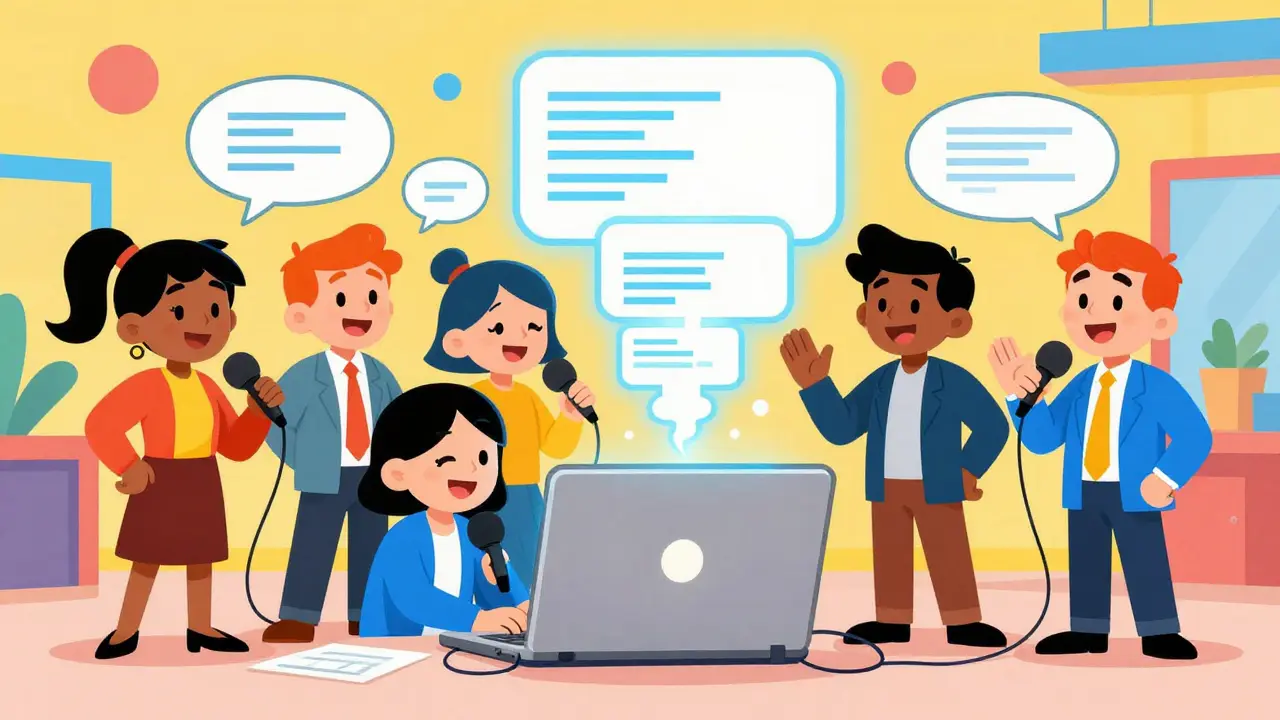
When you remove the mental friction of syntax, creativity flows more freely. In traditional coding, you often interrupt your creative flow to solve technical problems. "Why won't this div center?" becomes a distraction from "Does this design convey our brand message?"
Vibe coding turns development into an interactive playground. You can experiment boldly. Want to switch from a grid layout to a list view? Ask the AI. Want to try a dark mode with neon accents? Prompt it. Because changes happen instantly, there’s no fear of wasting time. If an idea doesn’t work, you delete it and try another. This encourages innovation and aesthetic exploration.
This is particularly beneficial for artistic coders and hobbyists. They can focus on the visual and interactive outcomes rather than the structural quality of the code. The goal is expression, not optimization. Vibe coding supports this by handling the tedious implementation details while you focus on the experience.
Best Use Cases for New Builders
While vibe coding is powerful, it’s not a silver bullet for every scenario. Complex enterprise systems with strict security requirements still need rigorous traditional development. However, for new builders, there are several ideal use cases:
- Landing Pages: Create beautiful, responsive marketing pages quickly. Perfect for launching new products or services.
- Minimum Viable Products (MVPs): Build interactive prototypes to test core functionality. Validate your business hypothesis before investing heavily.
- Interactive Microsites: Develop dynamic visuals, animations, and sliders for creative demonstrations. Great for portfolios or event promotions.
- Personal Automation Scripts: Write utilities to automate repetitive tasks. For example, a script to organize files or scrape data.
- Hackathon Projects: Rapidly deliver functional applications under time pressure. Vibe coding accelerates the build phase significantly.
These projects share common traits: lower technical complexity, faster feedback cycles, and direct personal benefit. They allow new builders to gain confidence and skills without the risk of breaking critical infrastructure.
Skills for the Vibe Coding Era
If coding is becoming easier, does that mean anyone can do it? Not exactly. The skill set is shifting. Instead of memorizing syntax, you need to master prompt engineering. Clear, detailed prompts yield better code. Vague descriptions lead to generic results.
Here are some best practices for new builders:
- Start Small: Break large initiatives into manageable features. Don’t try to build an entire social network in one prompt.
- Be Specific: Describe colors, layouts, and behaviors precisely. "Make it look modern" is less effective than "Use a sans-serif font, ample whitespace, and a blue accent color."
- Iterate Quickly: Test early and often. Refine your prompts based on the AI’s output.
- Document Patterns: Save successful prompts. Reuse them for future projects to improve efficiency.
Additionally, understanding basic logic helps. You don’t need to know how to write a loop, but you should understand what a loop *does*. This conceptual knowledge allows you to guide the AI more effectively and spot errors when they occur.
The Future of Accessible Development
Vibe coding is just the beginning. We’re seeing a blurring of lines between professional developers and citizen developers. As AI tools become more sophisticated, they will integrate deeper into full-stack workflows. Expect to see backend logic, database management, and deployment pipelines automated in the near future.
Security and compliance will also evolve. AI systems will likely incorporate guardrails to ensure code meets standards like GDPR or accessibility guidelines automatically. This reduces the burden on new builders who might otherwise overlook these critical aspects.
Ultimately, vibe coding democratizes software creation by removing the barriers of syntax, time, and specialized knowledge. It empowers entrepreneurs, creatives, and curious minds to bring their ideas to life. The question is no longer "Can I code?" but "What do I want to build?" And that is a powerful shift.
What is vibe coding?
Vibe coding is a development approach where users describe software requirements in natural language, and AI tools generate the corresponding code. It emphasizes conversation over syntax, making software creation accessible to non-programmers.
Do I need to know how to code to use vibe coding?
No, you don’t need traditional coding skills. However, understanding basic logical concepts and being able to write clear, detailed prompts will significantly improve your results.
Which tools are best for vibe coding?
Popular tools include Cursor, GitHub Copilot, and Replit. These platforms integrate AI assistants that can generate, debug, and refactor code based on your instructions.
Is vibe coding suitable for complex applications?
Currently, vibe coding excels at prototyping, landing pages, and smaller projects. For complex, mission-critical enterprise applications, traditional development practices remain essential for security and scalability.
How does vibe coding save time?
It automates boilerplate code generation, setup, and basic debugging. This allows developers to focus on design and logic, reducing development time from weeks to hours for many projects.