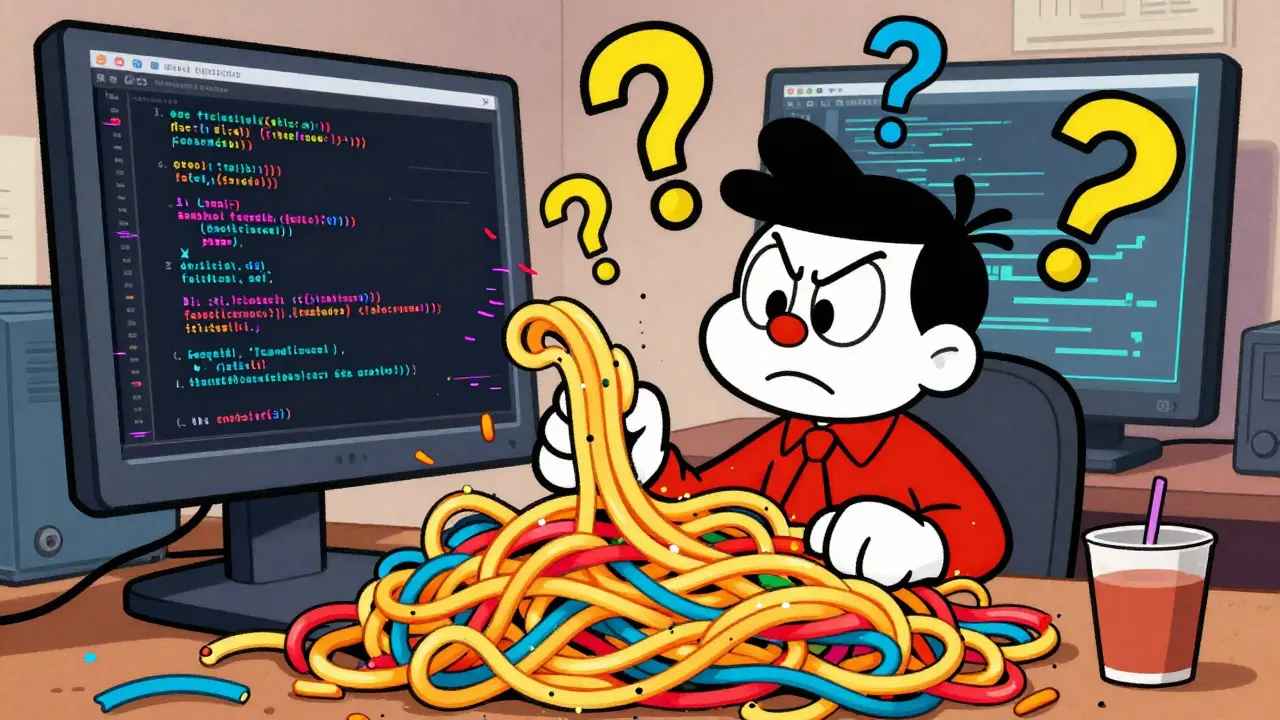
You type a sentence. The AI writes the function. You hit enter, and it works. It feels like magic, but look closer at your repository after six months of this workflow. Does the codebase still feel magical, or does it feel like a tangled mess of inconsistent styles, hidden dependencies, and logic that only the AI understands?
Vibe coding-the practice of using natural language prompts to iteratively generate software-is reshaping how we build applications in 2026. But speed without structure leads to technical debt. If you are treating your AI-generated code like traditional hand-written code, you are missing the point. If you treat it like disposable scratchpad notes, you are building a house of cards.
The challenge isn't just writing code; it's establishing vibe coding standards that ensure long-term maintainability. This guide breaks down exactly how to set up those guardrails so your AI-assisted development remains scalable, secure, and sane.
Why Traditional Style Guides Fail in Vibe Coding
In traditional development, you enforce standards through linters (ESLint, Pylint) and formatters (Prettier, Black). These tools catch syntax errors and enforce naming conventions. They are essential, but they are not enough for vibe-coded repositories.
When an LLM generates code, it doesn't "think" about style guides unless explicitly told to. It predicts the next token based on probability. Without specific constraints, one prompt might generate a functional component using class-based syntax, while the next uses hooks, even within the same file. This inconsistency creates cognitive load for human developers who have to maintain the code later.
Traditional CI/CD pipelines check code after it is written. In vibe coding, you need standards applied during generation. The goal is to shift left-catching issues before the code ever lands in your repository. This requires a new layer of governance: prompt-level standards and context-aware validation.
The Core Pillars of AI-First Code Governance
To establish robust standards for vibe-coded repos, you need to address three distinct layers: the Prompt Layer, the Generation Layer, and the Integration Layer. Each layer requires specific controls.
- Prompt Engineering Rules: Standardizing how humans interact with the AI to ensure consistent output quality.
- Context Management: Ensuring the AI has access to the right project history and architecture docs.
- Automated Validation: Using tools to verify AI output against security and performance benchmarks before merging.
Let’s break down how to implement each pillar.
1. Standardizing the Prompt Interface
Your biggest variable in vibe coding is the input. If two developers ask for the same feature using different phrasing, the AI will produce different code structures. You need a standardized way to request features.
Create a Prompt Specification Template. This is a document or a CLI command structure that forces developers to provide context before asking for code. A good template includes:
- Intent: What business problem is being solved?
- Constraints: Which libraries are allowed? Are there performance limits?
- Existing Context: Links to relevant files or previous decisions.
- Output Format: Should the AI return a full file, a patch, or a test case first?
For example, instead of typing "Add user authentication," a developer should use a structured command like:
/specify auth --method=oauth2 --provider=google --context=./src/auth.mdThis ensures the AI pulls from your documented architecture rather than hallucinating a custom JWT implementation that conflicts with your existing system.
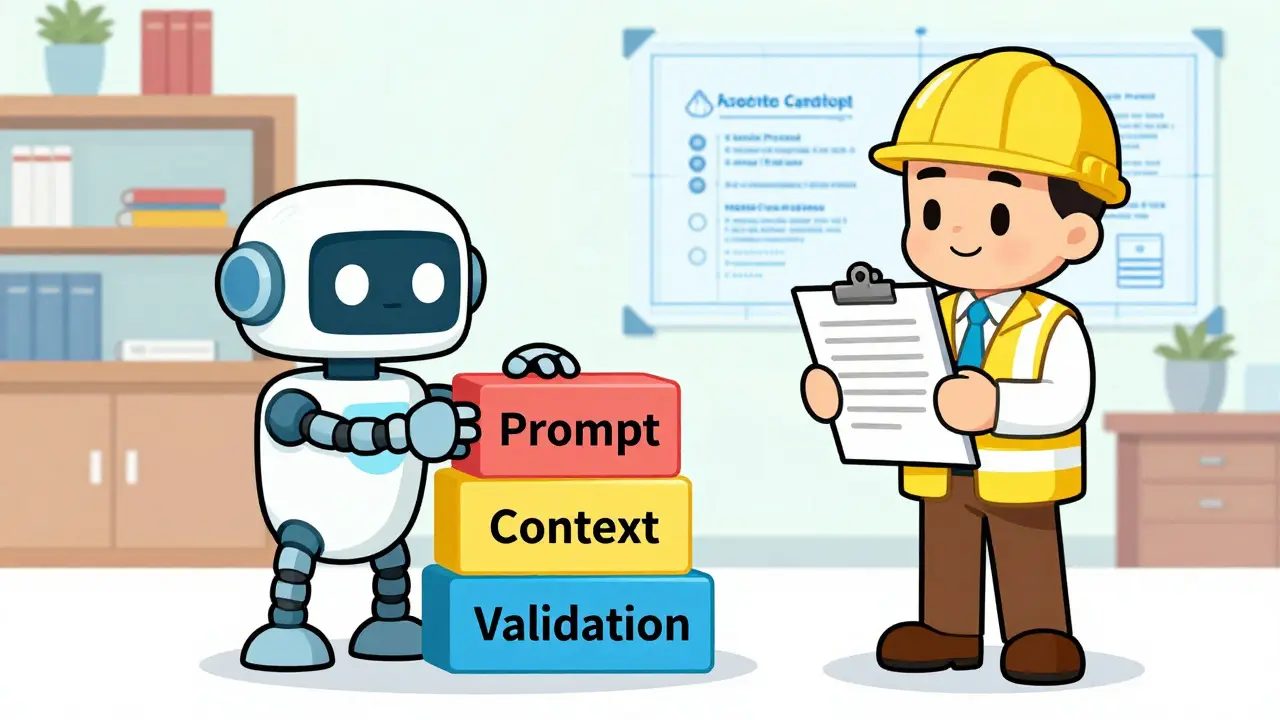
2. Managing Context with Model Context Protocol (MCP)
One of the biggest risks in vibe coding is context drift. The AI might forget that you switched from MongoDB to PostgreSQL three weeks ago. To fix this, leverage the Model Context Protocol (MCP).
MCP allows AI agents to connect to external tools and databases securely. By setting up MCP servers for your GitHub repository, database schema, and design system, you give the AI a live view of your project state. This reduces hallucinations and ensures generated code aligns with current infrastructure.
Key MCP integrations for standardization include:
- Repository Indexing: Tools like Augment index your codebase semantically, allowing the AI to understand dependencies before writing new code.
- Secret Management: Integrate with vaults to ensure the AI never hardcodes API keys.
- Documentation Sync: Connect your Notion or Confluence space so the AI reads updated requirements automatically.
3. Implementing Automated Safety Layers
Trust, but verify. Even with perfect prompts, AI can introduce subtle bugs or security vulnerabilities. You need automated checks that run immediately after generation.
Use sandboxed environments for initial testing. Tools like VibeKit allow you to run AI coding agents in isolated Docker containers. This prevents accidental changes to your local environment and ensures that every generated snippet is tested in a clean state.
Additionally, integrate static analysis tools into your AI workflow. Instead of waiting for a pull request, configure your AI agent to run linting and unit tests locally before presenting the code to you. If the code fails these checks, the agent should auto-correct or flag the issue for human review.
| Aspect | Traditional Development | Vibe Coding Workflow |
|---|---|---|
| Primary Interface | IDE / Keyboard | Natural Language Prompts |
| Standard Enforcement | Post-commit Linters & Formatters | Prompt Templates & Pre-generation Context |
| Error Detection | Compiler Errors & Unit Tests | Semantic Analysis & Sandbox Execution |
| Human Role | Writer & Reviewer | Architect & Validator |
| Consistency Source | Team Discipline & Tooling | Context Protocols (MCP) & System Prompts |
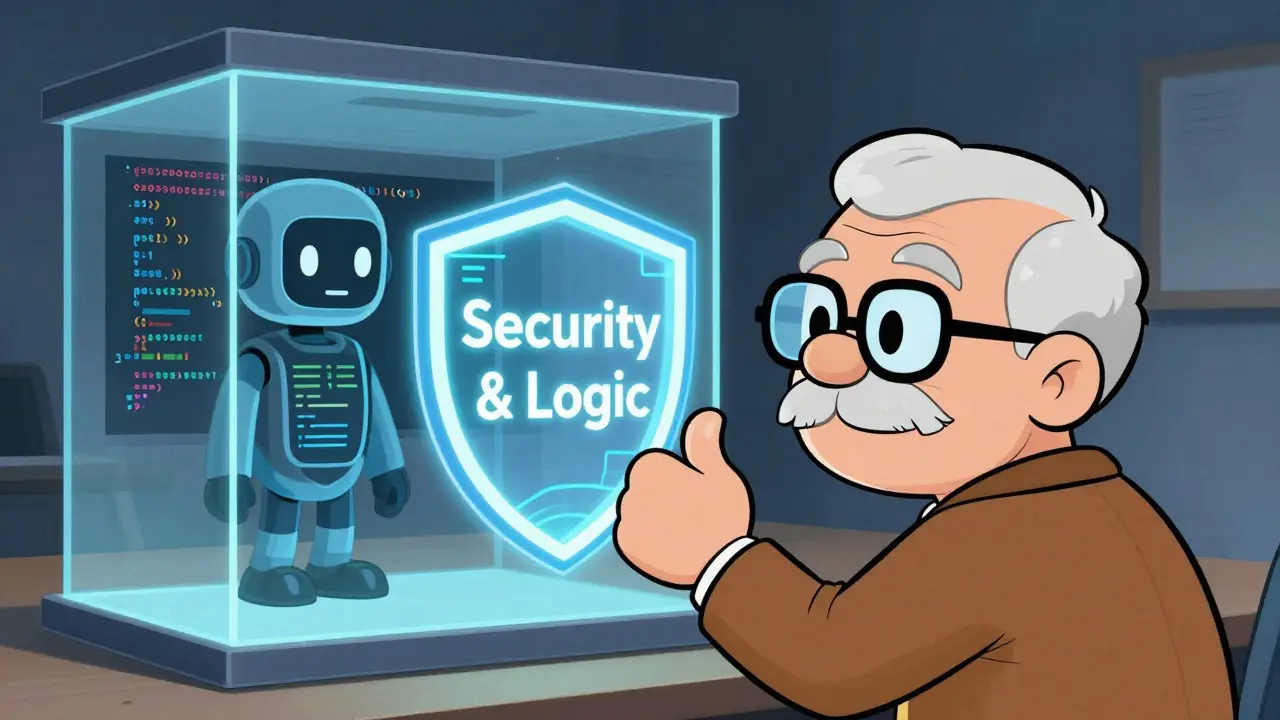
4. Human-in-the-Loop Review Protocols
No matter how advanced the AI becomes, human oversight is non-negotiable for production-grade software. However, the nature of the review changes. You aren't checking indentation; you are checking logic, security implications, and architectural fit.
Establish a "Review Checklist" for AI-generated code:
- Security Audit: Does the code handle inputs safely? Are secrets managed correctly?
- Dependency Check: Did the AI introduce unnecessary packages?
- Test Coverage: Are there corresponding unit tests for the new logic?
- Documentation Update: Did the AI update the README or inline comments?
Make this checklist part of your Pull Request template. Require that every merge request from an AI agent includes a signed-off review by a senior developer. This creates accountability and ensures knowledge transfer within the team.
5. Version Pinning and Determinism
AI models change. A model version that produces clean, modular code today might generate spaghetti code next week after an update. To maintain consistency, you must pin your model versions.
Treat your AI model configuration like any other dependency. Use tools like LiteLLM proxies to manage which model version is used for specific tasks. Document the exact model parameters (temperature, max tokens) used for critical components. This allows you to reproduce results and debug issues if the underlying model behavior shifts.
Building a Sustainable Vibe Coding Culture
Standards are useless if the team doesn't follow them. Foster a culture where "prompt hygiene" is valued as much as code cleanliness. Encourage developers to share their best prompt templates and context configurations. Create internal wikis that document common patterns and anti-patterns observed in your AI-generated code.
Remember, the goal isn't to replace developers with AI. It's to augment human capability. By establishing clear coding standards for vibe-coded repositories, you ensure that this augmentation scales without breaking your foundation.
What is vibe coding?
Vibe coding is a modern software development approach where developers use natural language prompts to collaborate with AI models to generate, refine, and deploy code. It shifts the focus from manual syntax writing to high-level intent specification and iterative refinement.
Why do vibe-coded repositories need specific coding standards?
Without specific standards, AI-generated code can become inconsistent, insecure, and difficult to maintain. Traditional linters don't catch logical inconsistencies or architectural mismatches that arise from varied prompt inputs. Specific standards ensure predictability and quality across AI-generated outputs.
How does the Model Context Protocol (MCP) help with coding standards?
MCP allows AI agents to securely connect to external tools like GitHub, databases, and documentation systems. This provides the AI with real-time context about your project's architecture and constraints, reducing hallucinations and ensuring generated code aligns with existing standards.
What role does human review play in vibe coding?
Human review is critical for validating logic, security, and architectural fit. While AI handles syntax and boilerplate, humans must ensure the code solves the correct business problem, follows security best practices, and integrates smoothly with the broader system.
Should I pin my AI model versions?
Yes. AI models evolve, and updates can change output style and logic. Pinning model versions ensures deterministic results, making it easier to debug issues and maintain consistency across your codebase over time.
What tools help enforce standards in vibe coding?
Tools like VibeKit (for sandboxed execution), Augment (for semantic code analysis), and MCP-compatible orchestration platforms help enforce standards by providing context, isolating risky operations, and enabling automated validation workflows.